Palatants & Flavors
for Pet Food
Pet food is the only category where two audiences have to be satisfied at once. The animal decides whether the bowl gets emptied. The owner decides whether the bag gets bought again.
We supply palatants for dog, cat, and ornamental fish products — built for the format you produce, stable through your process, and consistent batch after batch.
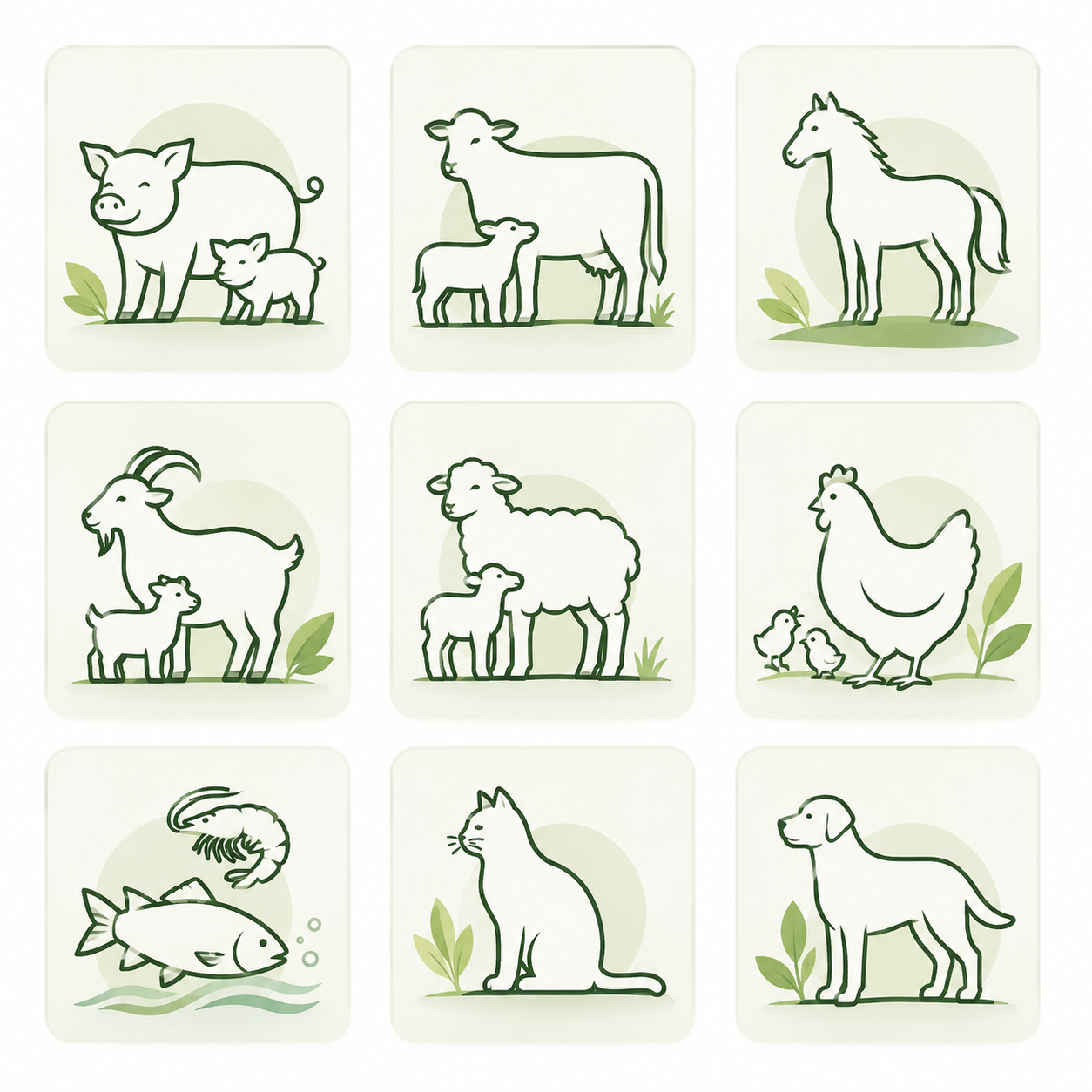
Choose Your Species
Each range is built around how that animal actually finds and accepts food — not one formulation relabelled three times.
Download Our Catalog
Pet Flavors CatalogOur full range of palatants developed specifically for pet nutrition, tailored to the taste preferences of each species.
Creating Their Favorite Flavors
Five families that cover the sensory range pets respond to.
Meat and fish profiles deliver deep, savoury, and oceanic signals — the ones carnivores respond to most strongly. Fruit profiles run light and expressive, tender through to bright. Spices and herbs bring green, aromatic notes. Dairy and vanilla give soft, velvety warmth. Cat products skip the sweet and fruit families entirely, since cats have no functional sweet taste receptor.
Why Pet Food Needs Palatants
Extrusion applies enough heat and pressure to strip most volatile aroma compounds from the base recipe. A kibble made from good-quality chicken can leave the die smelling of very little.
That is why palatant application is a standard production step in dry pet food, normally at the coating stage after extrusion — not an optional enhancement bolted on at the end.
The same logic applies elsewhere in the category. Wet food, treats, and fish flakes each strip or dilute the signal differently, and each needs an approach suited to that process.
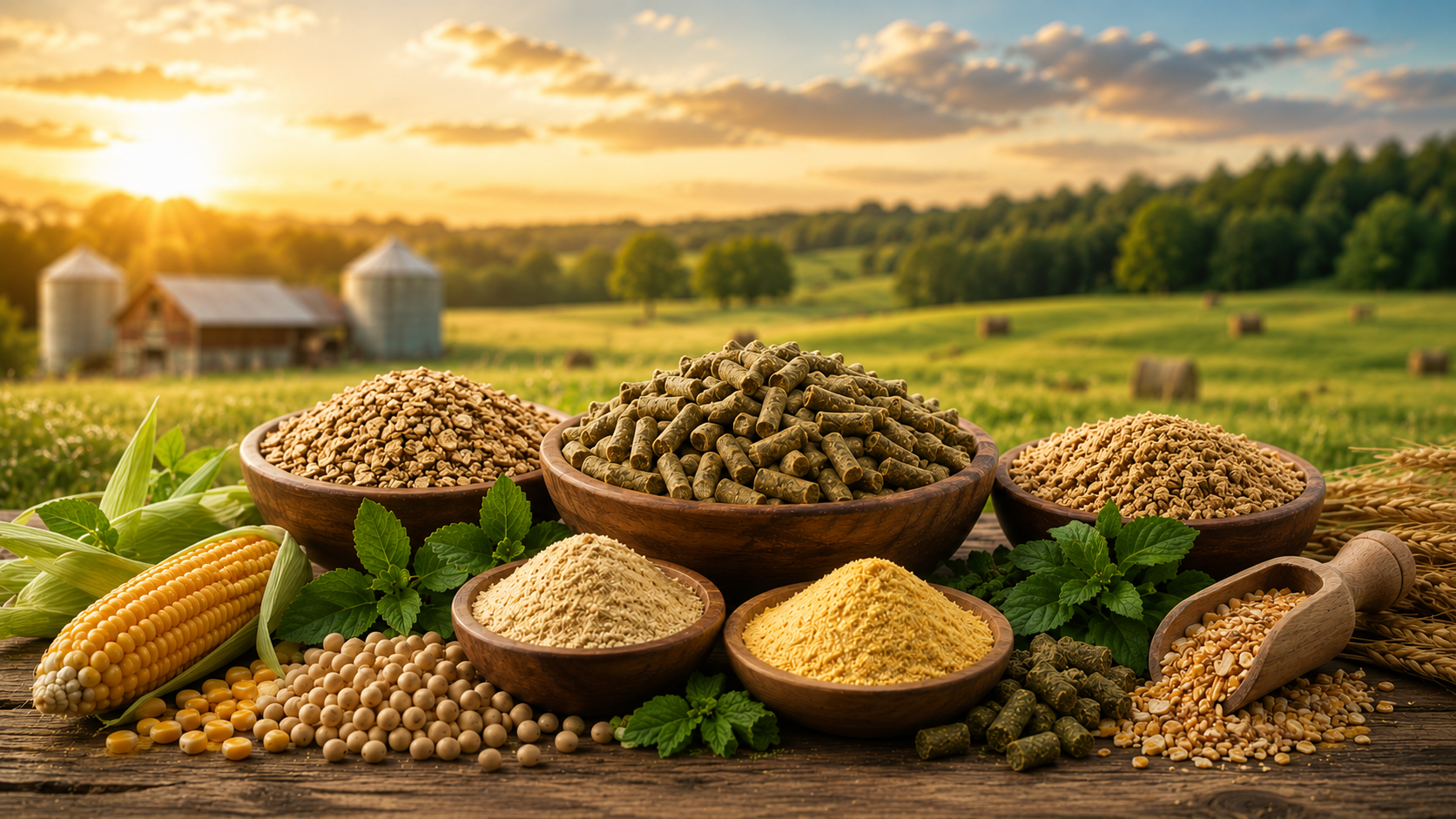
Formats & Applications
Matched to how you actually produce, rather than a single format you have to work around.
Certified Quality for Pet Food Production
Our formulas are produced under certified quality and traceability systems, meeting the standards pet food manufacturers require — batch consistency, full traceability, and documentation that stands up to audit.
Have Questions? We Answer Them
Extrusion applies enough heat and pressure to strip most volatile aroma compounds from the base recipe, so even a well-formulated chicken kibble can come out largely neutral. Palatants are normally applied after extrusion, during coating, to restore the aromatic signal the process removed.
Not effectively. Cats lack a functional sweet taste receptor and are considerably more neophobic than dogs, so the usable palette is narrower and weighted much more heavily toward fish, marine, and umami profiles. Using a canine formulation in a feline product generally underperforms.
This is one of the more valuable applications in the category. Hydrolysed proteins and therapeutic formulations are frequently unpalatable, and a diet the animal refuses delivers no clinical benefit at all. Compatibility needs checking against the specific formulation, so we would work through that with your technical team.
It depends on the format and where it is applied. Extrusion and retort both involve heat that can drive off volatiles, which is why coating-stage application is standard in dry food. We would look at your specific process before recommending a format and application point.
It depends on the format, the application method, and whether the product is dry, wet, or a treat. We supply a recommended starting range with every sample and adjust from there based on your results. Send our specialists your formulation and we will suggest a starting point.
Palatants that turn a good recipe into a bowl the animal finishes
Tell us your species, your format, and the problem you are solving. We will send samples worth testing.